At least 2,500 people have been killed in Iran since protests broke out at the end of December, the Norway-based human rights organization Hengaw said on Tuesday.
The group noted that its verification team is working daily to document deaths linked to the state crackdown on mass protests.
On Tuesday, Iran Human Rights (IHRNGO), which is also registered in Norway, put the number of demonstrators killed at at least 734, but warned the real toll could be significantly higher, even in the thousands.
"Due to the complete internet shutdown since Thursday night and the severe restrictions on access to information, independent verification of these figures is currently extremely difficult," the IHRNGO report said.
Iranians have been demonstrating for more than two weeks against the authoritarian rule of the Islamic Republic. The protests, triggered by an economic crisis, have meanwhile taken on a nationwide dimension.
Iran has defended its actions against the unrest, justifying the use of force by saying that those taking part were "terrorists" or "rioters."
LATEST POSTS
- 1
 Colorado residents face earliest water restrictions ever — a harbinger of worse to come
 - 2The Starbucks for Life game is back, along with your chance to win a 'Bearista' cold cup. Here's how to get your paws on one.
- 3Korean Air takes emergency action as fuel prices soar
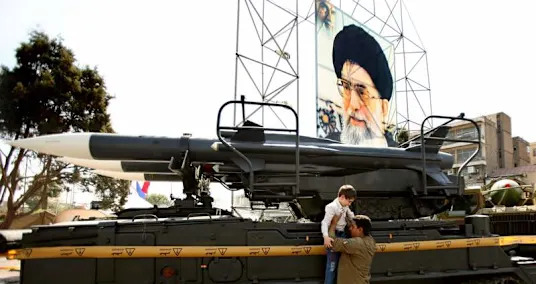
- 4‘Risk children’s lives for some extra manpower’: IRGC recruits 12 year olds to fill personnel gaps
- 5Reconnecting with an old friend is a story of distance, loss and rediscovery




- Volcanic eruption led to the Black Death, new research suggests
- Civil rights leader Jesse Jackson hospitalized, family requests prayers
- ABC News' Sam Champion opens up about recent health scare
- 8 Espresso Bean Starting points All over the Planet
- JFK's granddaughter Tatiana Schlossberg reveals terminal cancer diagnosis
- She was the supermodel dubbed 'The Face' in the '80s. Joining OnlyFans in her 60s taught her a lot.
- Unwinding the Starting points of America: An Excursion Through History
- Find Unexpected, yet invaluable treasure Excursion Rentals
- Air India chief resigns 10 months after devastating Ahmedabad crash and amid mounting financial troubles