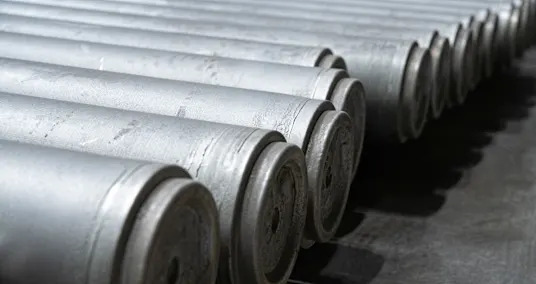
Fears of global aluminium shortages that could affect the production of clean energy technologies intensified after Iran struck two major Gulf aluminium producers, sending prices to a four-year high. The Middle East accounts for 9% of the world’s production of aluminum, which is essential to a wide range of industries from transportation, construction, and packaging, as well as the manufacture of solar panels, electrical transmission systems, wind turbines, and EVs.
Export shipments to the US and Europe had already come to a halt because of the effective closure of the Strait of Hormuz, and Morgan Stanley economists singled out aluminium as carrying a high level of risk across the value chain. Andy Farida, an aluminium analyst at Fastmarkets, told Semafor that high prices would be passed on to end-users, ultimately causing demand destruction. “A prolonged shutdown (with little to no alternative supplies other than Russia and China) could cripple the supply of aluminium to support the production of clean and green technology,” he said, adding that relief could come “if governments allow some sanctioned Russian and Chinese aluminium to be imported.”

LATEST POSTS
- 1
 German Court Rejects Bid To Force BMW and Mercedes-Benz To Stop Selling New Combustion-Engine Cars After 2030
 - 2Bullets in Luigi Mangione’s bag convinced police that he was UnitedHealthcare CEO killing suspect
- 3Virtual National Science Foundation internships aren’t just a pandemic stopgap – they can open up opportunities for more STEM students
- 4When darkness shines: How dark stars could illuminate the early universe
- 5Daily Briefing: A bad flu season gets worse


- Nations for Youngsters to Visit
- Pat Finn, actor from 'The Middle,' dies at 60 after bladder cancer diagnosis
- Vote In favor of Your Favored Pet Consideration Administration
- 6 Fun Urban areas For Seniors To Travel
- Remarkable Spots for Hot Air Swelling All over The Planet
- Thousands of New York City nurses set to strike Monday if deal isn't reached with hospitals
- Machado ‘presented’ her Nobel Peace Prize medal to Trump
- Venice’s newest marvel is a wild, acrobatic dolphin. His refusal to leave puts him in danger
- Chinese construction workers in Israel: 'I’d rather be bombed than live in poverty'