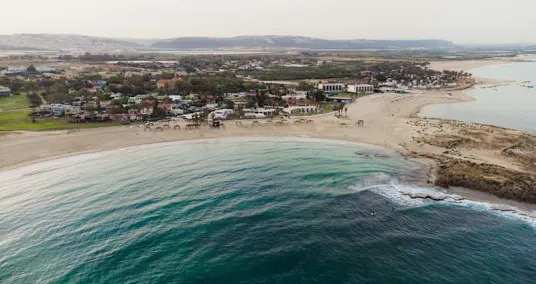
The discovery was made in an ancient shipwreck in the Dor Lagoon near the Carmel Coast, where archaeologists recovered nine pieces of unprocessed iron known as “blooms.”
Researchers from the University of Haifa said Wednesday that an underwater excavation off Israel’s northern Mediterranean coast uncovered what they described as the earliest known cargo of raw iron transported by ship, dating back around 2,600 years, Xinhua reported.
The discovery was made in an ancient shipwreck in the Dor Lagoon near the Carmel Coast, where archaeologists recovered nine pieces of unprocessed iron known as “blooms.” According to the university, the find provides direct evidence of how iron was transported in its earliest commercial stages.
The material was preserved in its original form, having solidified directly in a smelting furnace without undergoing forging or further refinement. Researchers said this distinguishes the cargo from later iron artifacts that typically show signs of shaping or tool-making.
Unlike copper and bronze, which could be melted into liquid form in ancient production processes, iron was heated with charcoal to produce a solid, porous mass. That mass was generally hammered to remove impurities and create denser material suitable for tools and implements.
The recovered blooms showed no indication of that secondary processing stage, suggesting they were transported immediately after production.

Earliest iron shipment discovered in ancient Mediterranean wreck
To determine the age and condition of the cargo, researchers conducted microscopic and chemical analyses.
Radiocarbon dating was also carried out on charred wood embedded in one of the pieces, helping confirm the timeline of the shipment. The findings were published in the journal Heritage Science.
Researchers said the cargo indicates that iron was being moved in raw form from production sites to other locations for further processing, pointing to a level of specialization in ancient manufacturing and trade networks in the Mediterranean.
The University of Haifa said the discovery provides new insight into early iron production and distribution practices in the region.
LATEST POSTS
- 1
 Los Angeles County sees significant uptick in norovirus cases, officials say
 - 2A Manual for the Right SUV for Seniors
- 3Taco Bell debuts its Baja Blast pie, and the reactions may surprise you
- 45 Food varieties to Remember for Your Eating regimen for Ideal Wellbeing
- 5'Set up an Army Radio station at President’s Residence': Source close to Katz slams Herzog


- Middle East hotels hit pandemic-era lows amid Iran war
- Israeli strikes on Beirut, as Hezbollah and Iran attack Israel
- Rick Steves' Newest Guidebook Is A Fresh Perspective On Italy Spilling The Country's Secrets
- PA accuses Israel of 'human trafficking' after planeload of Gazans arrives in South Africa
- 7 Strange Devices to Make Your Party Stick Out!
- Robert Irwin on winning 'Dancing With the Stars' 10 years after sister Bindi: 'This was everything I dreamed it would be and so much more'
- Artemis II astronauts are more than halfway to the moon as they seek to break Apollo 13's record
- This Miraculous, Cliff-Perched Town In The South Of France Is A Sacred European Gem
- 'The best gift ever': Baby is born after the rarest of pregnancies, defying all odds