The post came in reply to a post from the United Nations Relief and Works Agency (UNRWA), saying that freshwater supplies in Gaza were "severely limited and polluted."
Gaza is receiving over 70,000 cubic meters of water per day, the Coordinator of Government Activities in the Territories (COGAT) claimed in an X/Twitter post on Sunday.
The post came in reply to a post from the United Nations Relief and Works Agency (UNRWA), saying that freshwater supplies in Gaza were "severely limited and polluted," due to a collapse in sewage infrastructure.
COGAT described UNRWA's claims as being "false narratives."
COGAT coordinates Gaza water line repair
"The facts speak for themselves," COGAT said. "When a water line issue was reported last week, we coordinated a rapid repair to restore full functionality immediately."
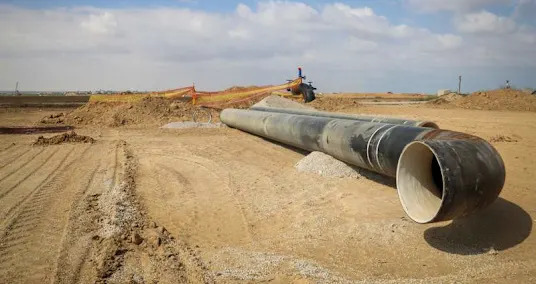
COGAT also said that there were four active pipelines leading into Gaza: Nahal Oz, Bani Suheila, Birkat Sa'id, and the Emirati line.
"While local groundwater faces challenges, we continue to repair infrastructure, even during combat, to ensure civilians access to safe, potable water," COGAT claimed.
LATEST POSTS
- 1
 A volcanic eruption may have catalyzed the plague's arrival in Europe, study suggests
 - 26 Home Cleaning Administrations to Keep Your Home Unblemished
- 3Rescuers give up hope for the humpback whale stranded in the Baltic Sea
- 4IDF uncovers 7 km.-long Gaza terror tunnel where Hamas held Hadar Goldin
- 5New peace laureate: Iran's arrest of Mohammadi 'confession of fear'





- Progress Over Perfection: Lessons From Garment Factories Fighting Heat Stress
- 2024's Hot Games: Must-Play Titles of the Year
- Scientists dove hundreds of feet into the ocean and found creatures no human has ever seen. Our trash beat us there
- Stunning new James Webb Space Telescope images reveal 'hidden' stars being born
- Russia confirms 16 Cameroonian soldiers killed in Ukraine war
- Best Quest for new employment Site for You to Track down Amazing open doors
- When the moon hits your eye from your Orion ship up high, that's a 'mare'
- What do scientists hope to learn from NASA's historic Artemis 2 moon flyby?
- Why doing good also makes us feel good, during the holidays and beyond